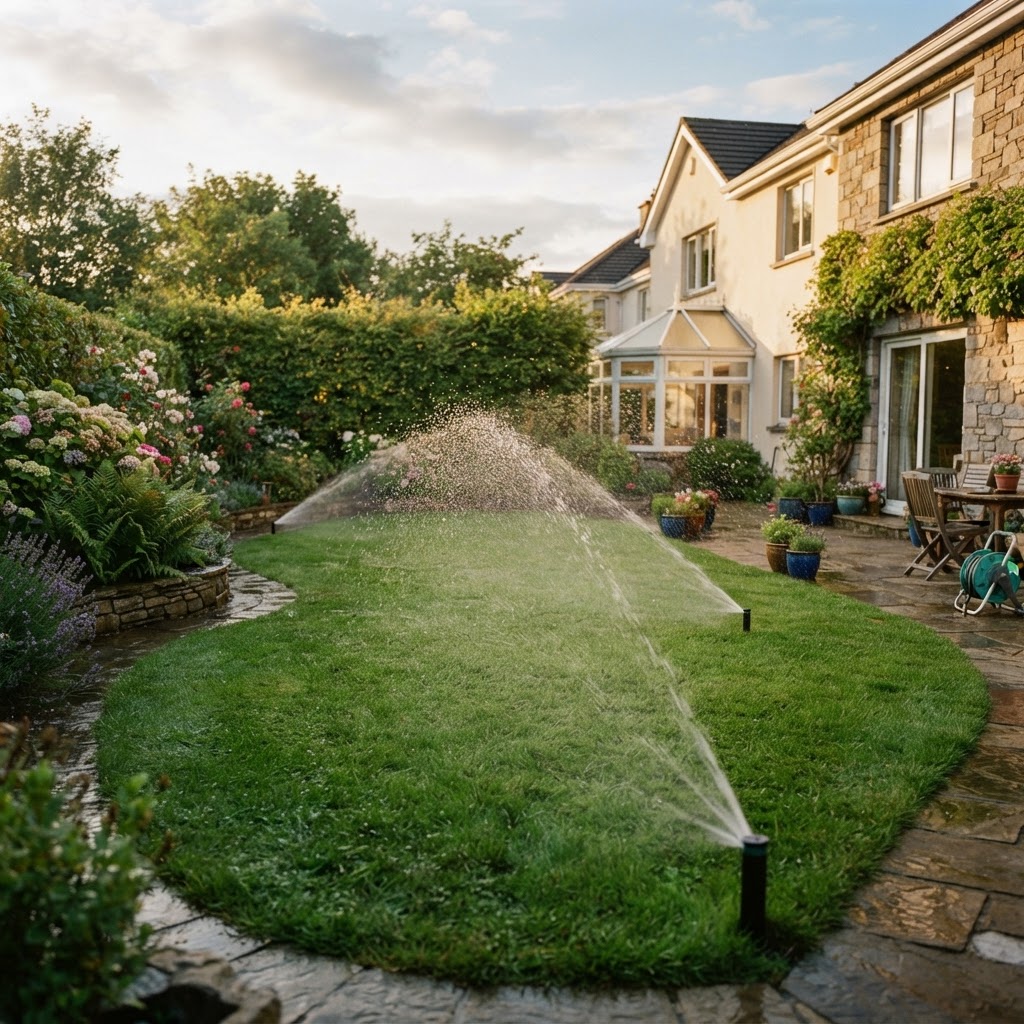
Springtime Prep: Setting Your Dublin Garden Up for Summer Success
What you do in March and April determines how your garden looks in July and August. Our seasonal prep checklist for Dublin homeowners.
Assessing Winter Damage
Before you start any spring work, take a walk around your garden and assess what winter has done. Look for broken branches on trees and shrubs, frost-heaved plants (roots pushed out of the soil by freezing and thawing), and any damage to hard landscaping — cracked paving, loose fence panels, or shifted stones.
In Dublin, the most common winter damage is wind damage to evergreens — particularly exposed hedging in coastal areas like Killiney and Dalkey. Check for broken stems and brown, wind-scorched foliage. These should be pruned back to healthy wood to encourage new growth.
Note any areas where water pooled during winter — these indicate drainage issues that need addressing before you plant anything new. Heavy Dublin clay in areas like Rathfarnham and Churchtown is particularly prone to winter waterlogging.
Soil Preparation & Feeding
Spring soil preparation is the foundation of a great summer garden. Start by clearing all winter debris and old growth from borders. Then, while the soil is workable but not sodden, add a 5cm layer of well-rotted garden compost or soil improver across all beds. This feeds the soil, improves structure, and helps retain moisture for the dry months ahead.
For lawns, apply a spring fertiliser once the soil temperature reaches about 10°C — usually mid-March in Dublin. Choose a fertiliser with a good balance of nitrogen for green growth, phosphorus for root development, and potassium for disease resistance. Avoid high-nitrogen-only feeds, which produce soft, sappy growth that's vulnerable to drought.
If you have heavy clay soil, work in horticultural grit (not builder's sand) to improve drainage. For sandy or thin soils, add organic matter to improve water retention. The goal is soil that holds moisture without becoming waterlogged — the single most important factor in how your garden copes with summer.
Lawn Recovery Techniques
After a Dublin winter, most lawns need some recovery work. Start with scarification to remove moss and thatch — do this in mid-spring when the grass is growing actively. Follow immediately with aeration (hiring a hollow-tine aerator is worth it for larger lawns) to relieve compaction and improve drainage.
After scarifying and aerating, overseed the entire lawn with a quality grass seed blend suited to Irish conditions. Use a seed rate of about 25g per square metre and lightly rake it into the surface. Water regularly if there's no rain — the seed must never dry out during germination, which takes 10–14 days.
Keep off the lawn as much as possible for 3 weeks after overseeding. When you do start mowing again, set the blades high (40mm+) for the first few cuts to let the new seedlings establish. A light top-dressing of lawn soil or sand over the seeded areas helps seed-to-soil contact and improves germination rates.
Planting for Summer Colour
Mid to late spring is the perfect time to plant for summer colour. In Dublin, wait until the risk of frost has passed (usually mid-May) before planting tender annuals and summer bedding. But hardy perennials, shrubs, and trees can go in from March onwards — they'll establish root systems before the summer heat arrives.
For reliable summer colour in Dublin gardens, consider: hydrangeas (they love our acidic soil and partial shade), lavender (thrives in free-draining sunny spots), repeat-flowering roses (choose disease-resistant varieties like 'Olivia Rose Austin'), and dahlias (plant tubers in April for flowers from July to first frost).
Water all new plantings thoroughly and regularly for their first full growing season — even drought-tolerant plants need consistent moisture while establishing. A layer of bark mulch around new plantings conserves moisture and suppresses weeds. With these spring preparations done, your garden will be ready to shine all summer long.